01
Hockey skill
Skating, puck skill, passing, shooting and position detail are taught for the moment in which the game needs them.
- Efficient movement with and without the puck
- Execution at game speed and under pressure
Youth Hockey Academy · Toronto & the GTA
DTHA develops hockey skill, game intelligence, athletic ability and the habits a young person needs beyond the rink. Every plan starts with age, stage, level and the player’s real situation.

 DTHA
DTHADTHA does not copy one national model. We use the shared principles behind responsible player development and apply them to the individual in front of us.
Player-centred development, broad foundations and age-appropriate opportunity before short-term results.
Age-specific practice with decisions, puck touches, challenge and fun designed into the activity.
Give everyone a chance to develop, adapt training to the group and build the whole athlete.
Strong technical teaching alongside freedom, implicit learning and the player’s ability to solve the game.
A Finland–Sweden analysis found up to 5× more shot attempts and up to 2.5× more pass attempts in ⅓-ice formats than on full ice.
Select an age group. The content below changes on this page to show the hockey, athletic, mental and life priorities that belong at that stage.
The goal is confidence, curiosity and broad movement—not a polished position or an early performance label.
Very short activities, many stations, one cue at a time and frequent changes of task.
Position specialization, long lines, adult tactics, ranking children or treating every mistake as a correction.
Age is a starting point, not a diagnosis. Biological maturation, experience, current level, health and motivation can change the responsible training dose.
Training is successful only when the player can learn, perform, recover and keep a healthy relationship with the game.
Skating, puck skill, passing, shooting and position detail are taught for the moment in which the game needs them.
Players learn to scan, recognize pressure, keep options open and make decisions without waiting for the coach.
Confidence, accountability, resilience and communication grow through specific feedback and meaningful responsibility.
School, sleep, family and future planning are not distractions from development. They are part of a sustainable athlete pathway.
The IIHF’s player-development guidance treats school, family, friends, sleep and recovery as part of well-being. DTHA follows that standard. We reinforce preparation, communication and responsibility while keeping optional training in perspective.
Josef came to DTHA at 18 without a competitive hockey background. He had played only house league for enjoyment and had never progressed through Single A, Double A or another competitive system.
He contacted us because he wanted to know whether a competitive path was still possible. DTHA helped him find a well-run club with a strong environment, then built the work around his real starting point. Josef trained consistently, earned the opportunity and continues to develop with us.
The 2026–2027 season will be his first season in competitive hockey. His long-term goal is to play professional hockey in Europe, and the work toward that goal continues.
Each service page now includes a U6–U20 selector so families can see when the service is useful, how it changes with age and what responsible progress looks like.
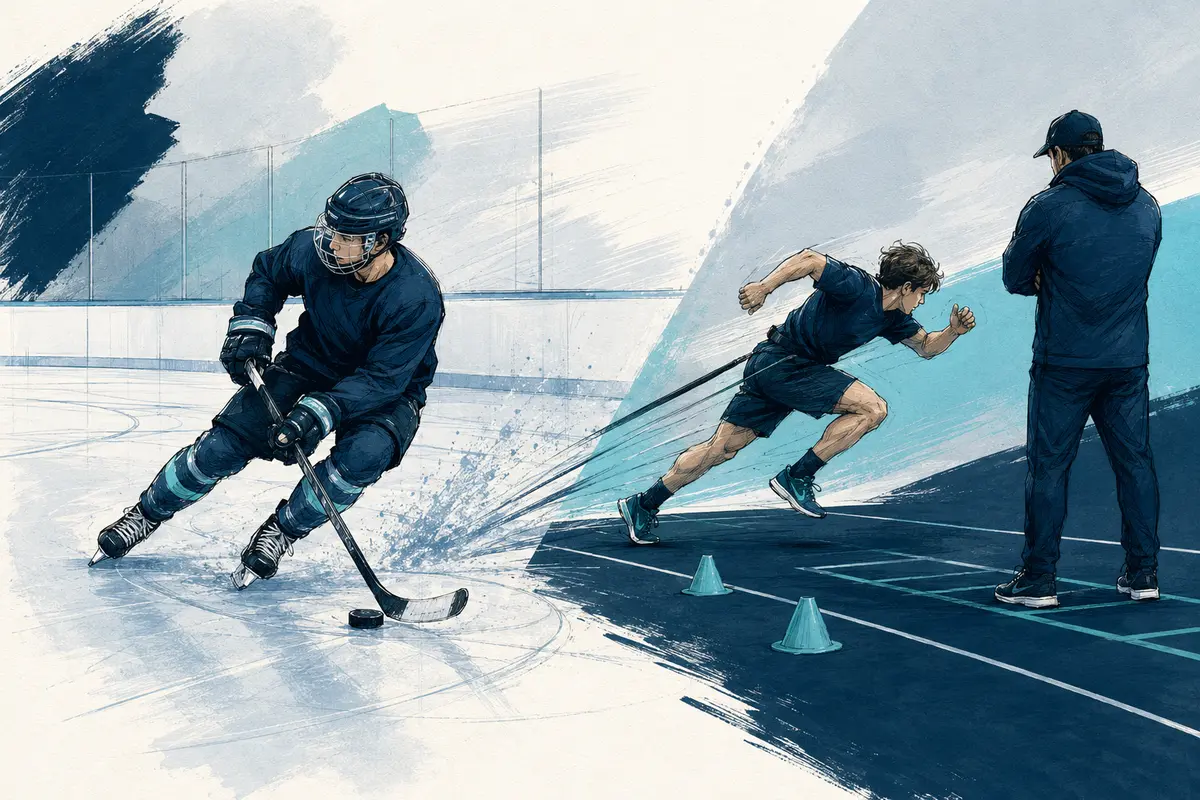
A technical or decision-making detail keeps repeating—or disappears when pressure rises.
Explore by age group
Movement, tracking, save selection or the second play needs a position-specific progression.
Explore by age group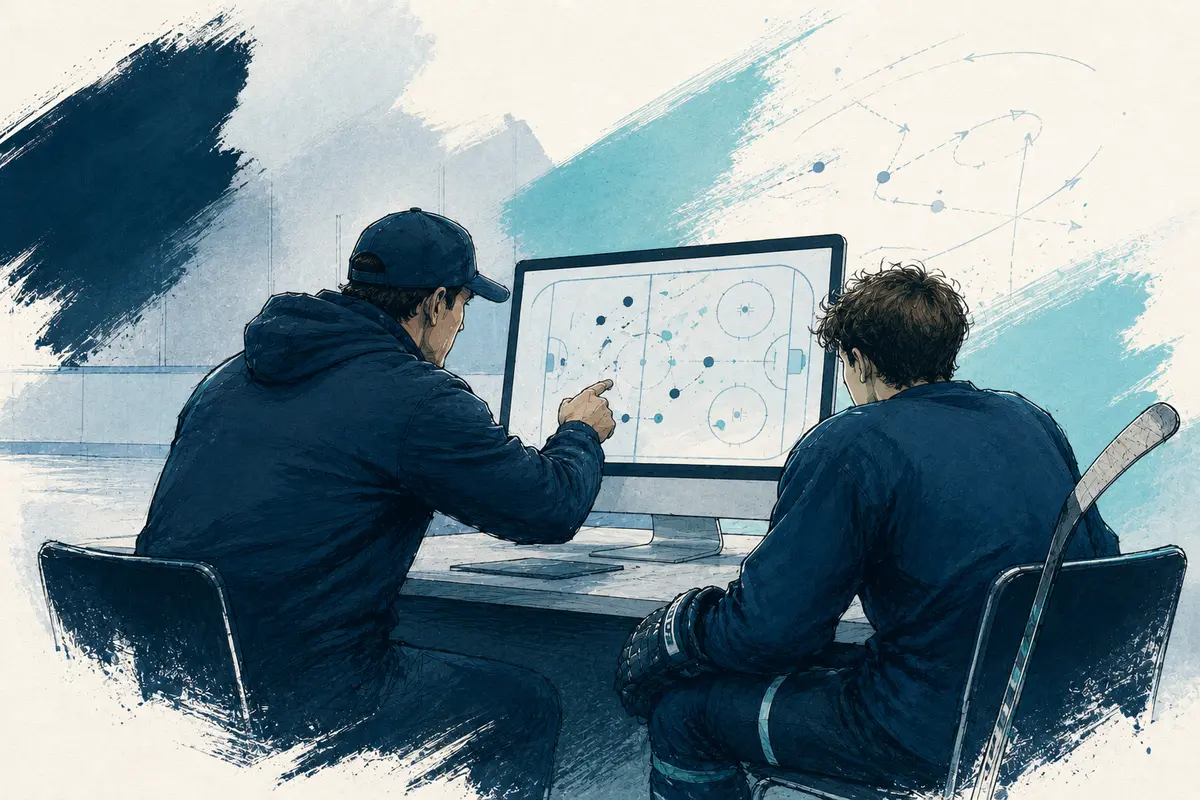
The player needs to see what happened before the turnover, chance, goal or missed option.
Explore by age group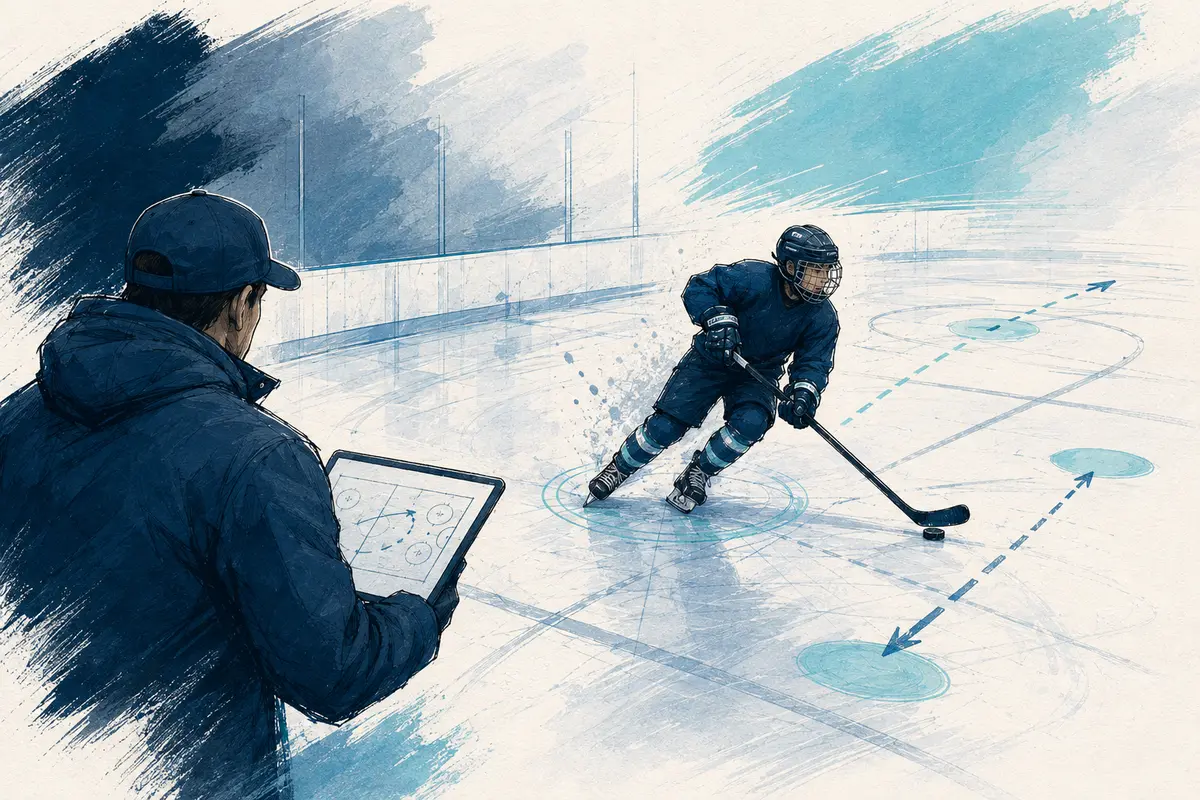
The family or team needs an honest profile and realistic priorities—not another general opinion.
Explore by age group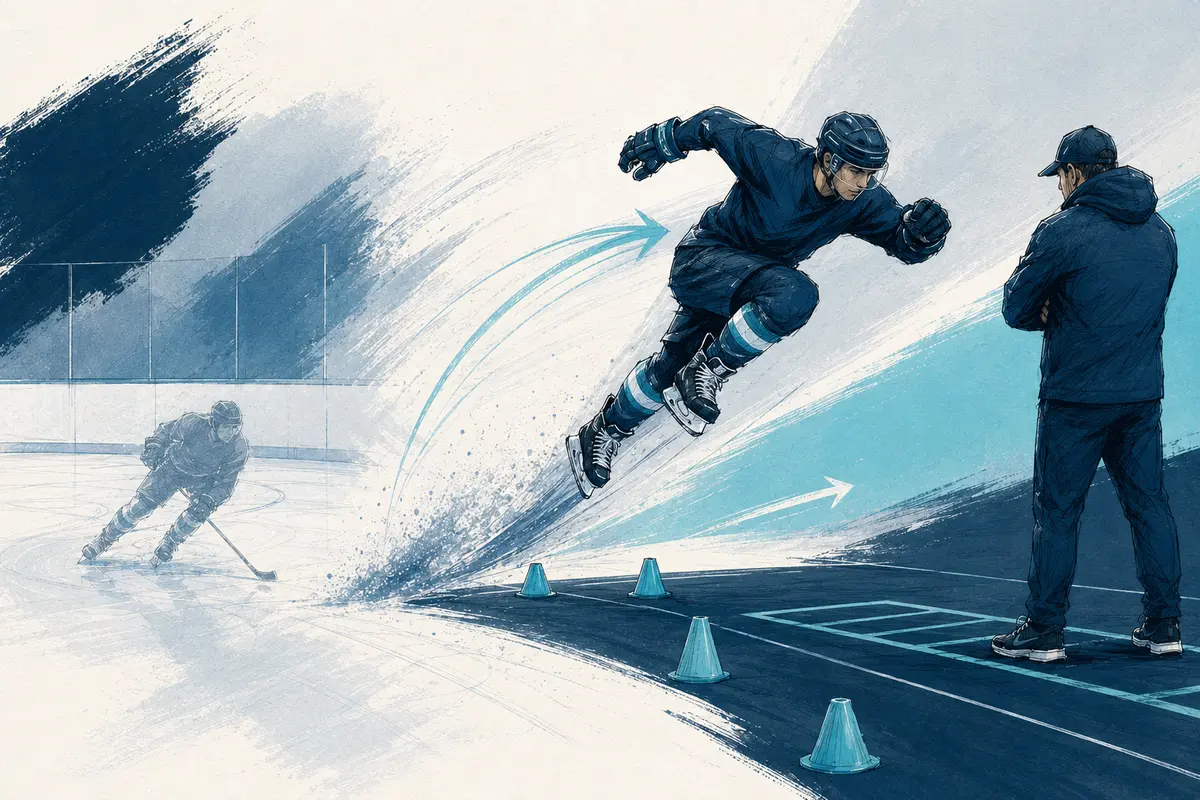
Movement, strength, speed or recovery needs to match the player’s age, maturation and hockey load.
Explore by age group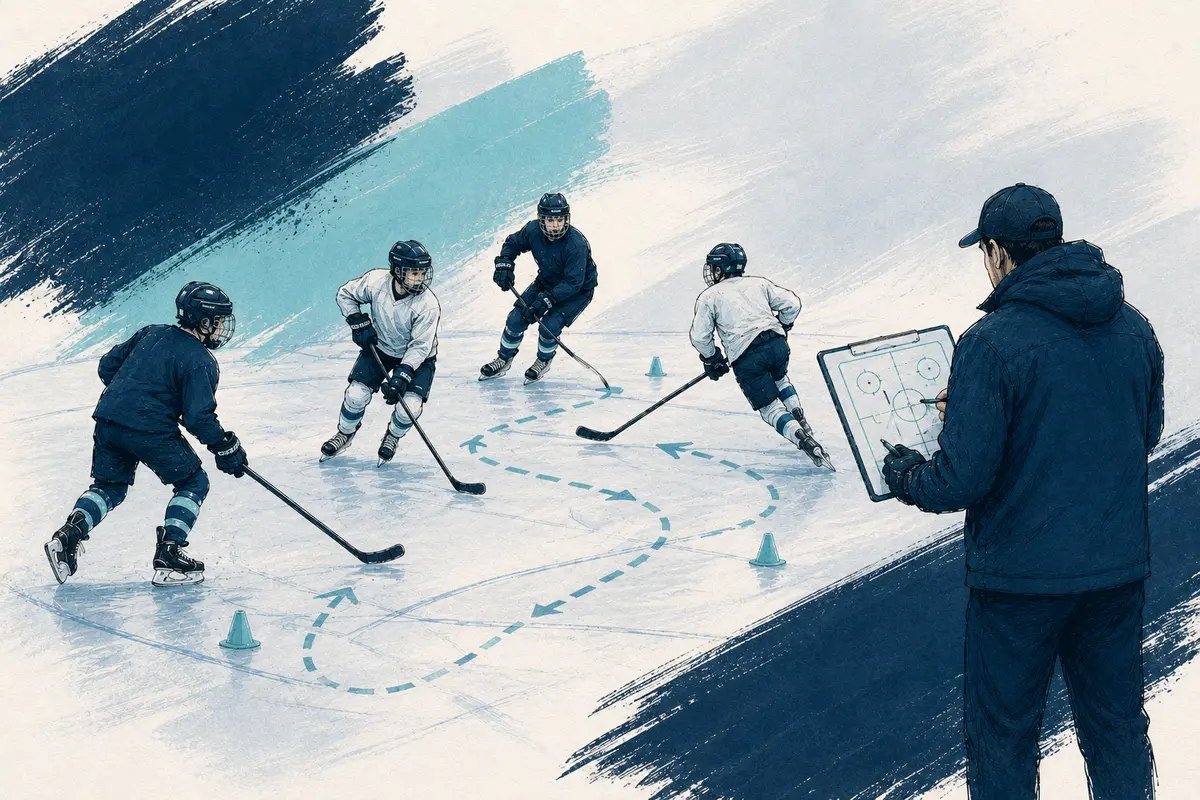
Purposeful full-team sessions, clinics and development support that strengthen the coach’s season plan.
Explore team supportA drill is only a delivery tool. Every step below has a question, a coaching action and a visible sign of progress. The real product is a player who recognizes the problem and can produce an answer in the game.
Read the DTHA MethodIdentify the current constraint and the game situation in which it consistently appears.
Teach one cleaner solution with language, demonstrations and cues the player can own.
Add speed, timing, pressure, contact or fatigue only when execution is ready for it.
Make the player scan and recognize the information that should shape the next action.
Test whether the solution survives a competitive, game-like problem without coach prompts.
Age, position, experience, recent feedback, school load, schedule and the problem you want to solve help DTHA recommend the right first step.